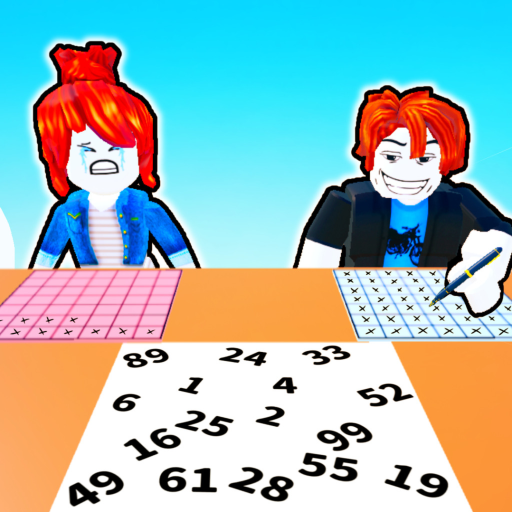
FindAndMark
Finder & Marker tactics

Find and Mark! Strategy: Find Numbers & Mark Faster

Use repeatable finder and marker routines, avoid lost-position mistakes, recover from a slow turn, and build a safer Find and Mark! streak.

Checked July 17, 2026Independent guide
Quick answer

The short version

Speed comes from removing repeated work. As the Finder, scan in one fixed direction and keep an anchor for the last checked area. As the Marker, make short clean runs and remember where each run ends. If you fall behind, protect accuracy first; one controlled turn is a better comeback than several rushed mistakes.

Step-by-step

A repeatable match routine

  1. 1

    Use the same Finder starting point

    Choose a consistent edge, corner, row, or zone as the start of every search. Move through nearby areas in order instead of chasing whatever catches your eye. Reusing the same pattern reduces decision time and makes missed areas easier to identify.

    Try this: If the layout changes with device or update, keep the principle—one start and one direction—even if the exact path changes.

  2. 2

    Anchor the last checked area

    Keep a mental or pointer reference at the last row or zone you completed. If your eyes jump away, return to the anchor rather than restarting the whole page. This is especially useful when a dense page makes similar number shapes compete for attention.

    Try this: Use a simple phrase such as 'left side complete' or 'resume below this row.'

  3. 3

    Separate recognition from clicking

    As Finder, confirm the called number before clicking or moving quickly. A false recognition costs more than a short confirmation. Look at the full number, then act. The site does not claim a device-independent input speed because touch, mouse, screen size and interface behavior differ.

    Try this: If you repeatedly choose near-looking numbers, slow the final confirmation rather than slowing the entire scan.

  4. 4

    Mark in clean local bursts

    As Marker, complete a small nearby cluster of X marks and then move to the next cluster. Long, erratic cursor travel can make you lose position and waste the next marking window. The objective is a repeatable rhythm that survives role switches.

    Try this: End each burst at an easy-to-remember edge or row so the next turn begins without searching for your place.

  5. 5

    Use a calm comeback turn

    When you feel behind, do not assume you must double your speed immediately. First eliminate duplicate scans and missed clicks. Use the calculator with your own target and marks-per-turn estimate to see whether a modest pace improvement can shorten the remaining turns.

    Try this: A comeback begins with one clean turn. Compare your estimated turns after changing only one habit.

If you're stuck

Common mistakes and fixes

Changing scan direction mid-page

Direction changes create gaps and duplicate checks. Finish the current sweep before choosing another path.

Chasing a universal best number

No official range or best choice was found. Focus on your finding and marking routine instead of a supposed secret number.

Treating one fast turn as your pace

A single peak turn is noisy. Use an average from several recent turns when planning with the calculator.

Copying advice without checking the role

Finder and Marker tasks are different. Apply scanning advice only while finding and positioning advice only while marking.

FAQ

Questions players ask

How can I find numbers faster in Find and Mark!?

Use one starting point, scan in a fixed order, and keep an anchor for the last checked area so you do not repeat work.

What is the best marking strategy?

Use short, controlled marking bursts and finish at a position you can remember after the roles switch.

Is there a best number to choose?

No universal best number or official number range was verified in the checked public sources.

How do I come back after a slow turn?

Prioritize one accurate, repeatable turn, remove duplicate scanning, and estimate how a small pace change affects your remaining turns.

Next

Keep improving